
Criticool
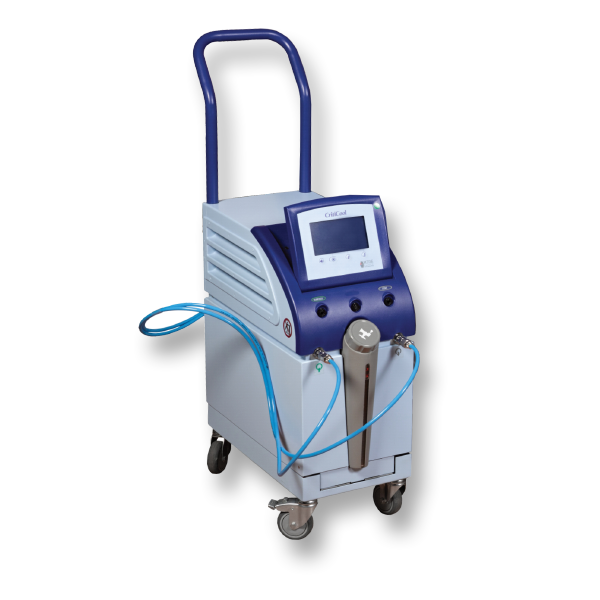
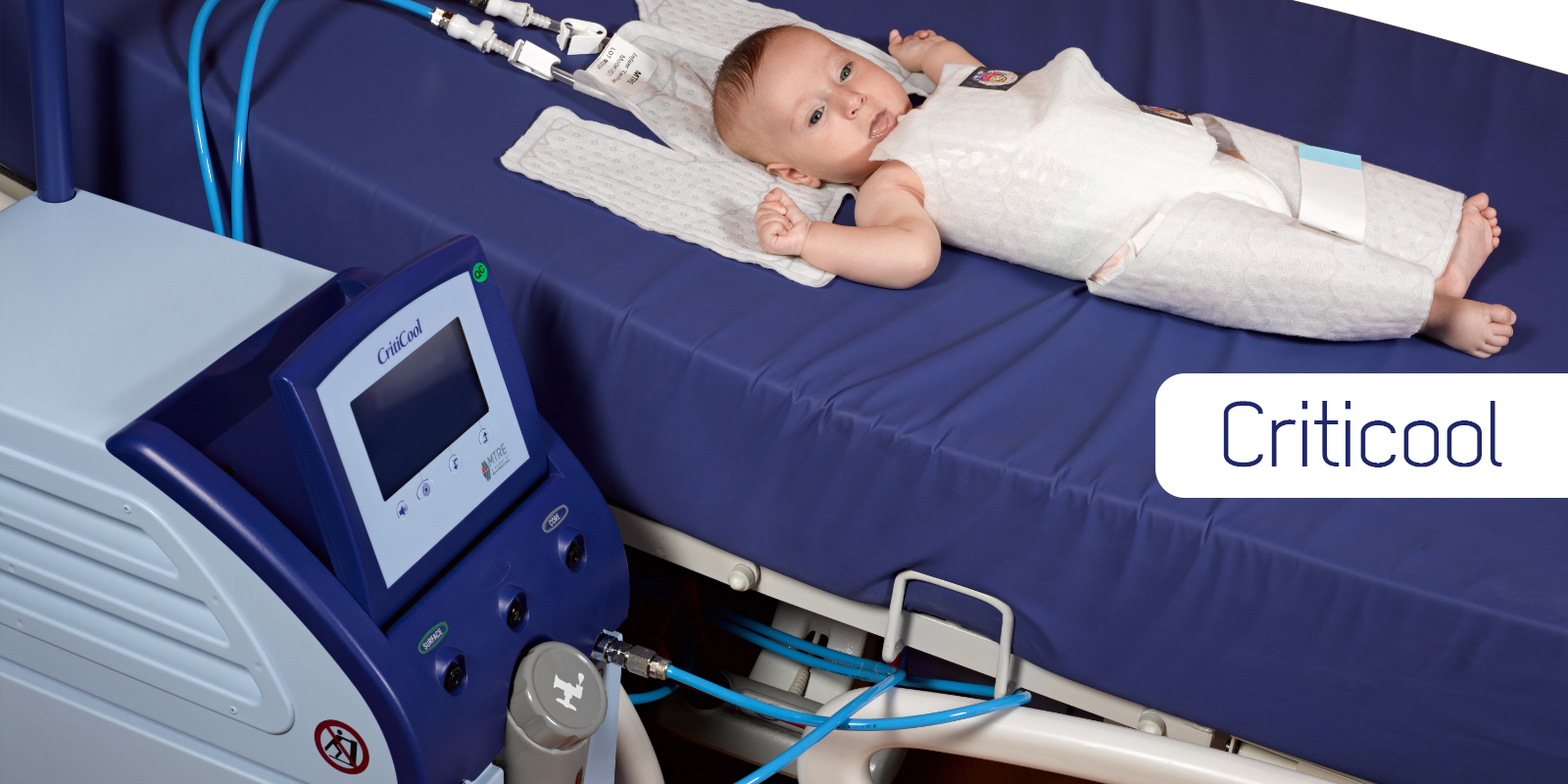
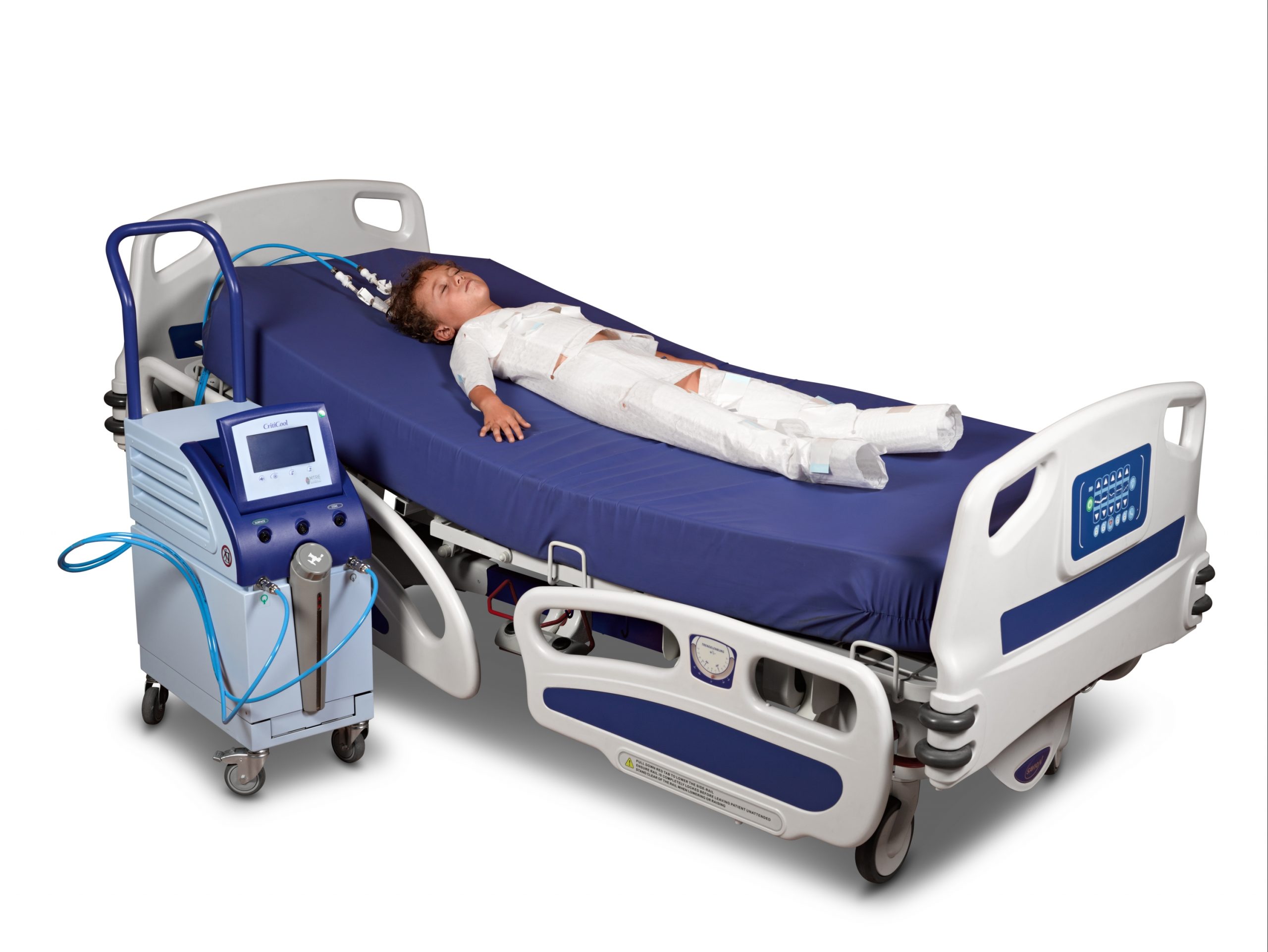
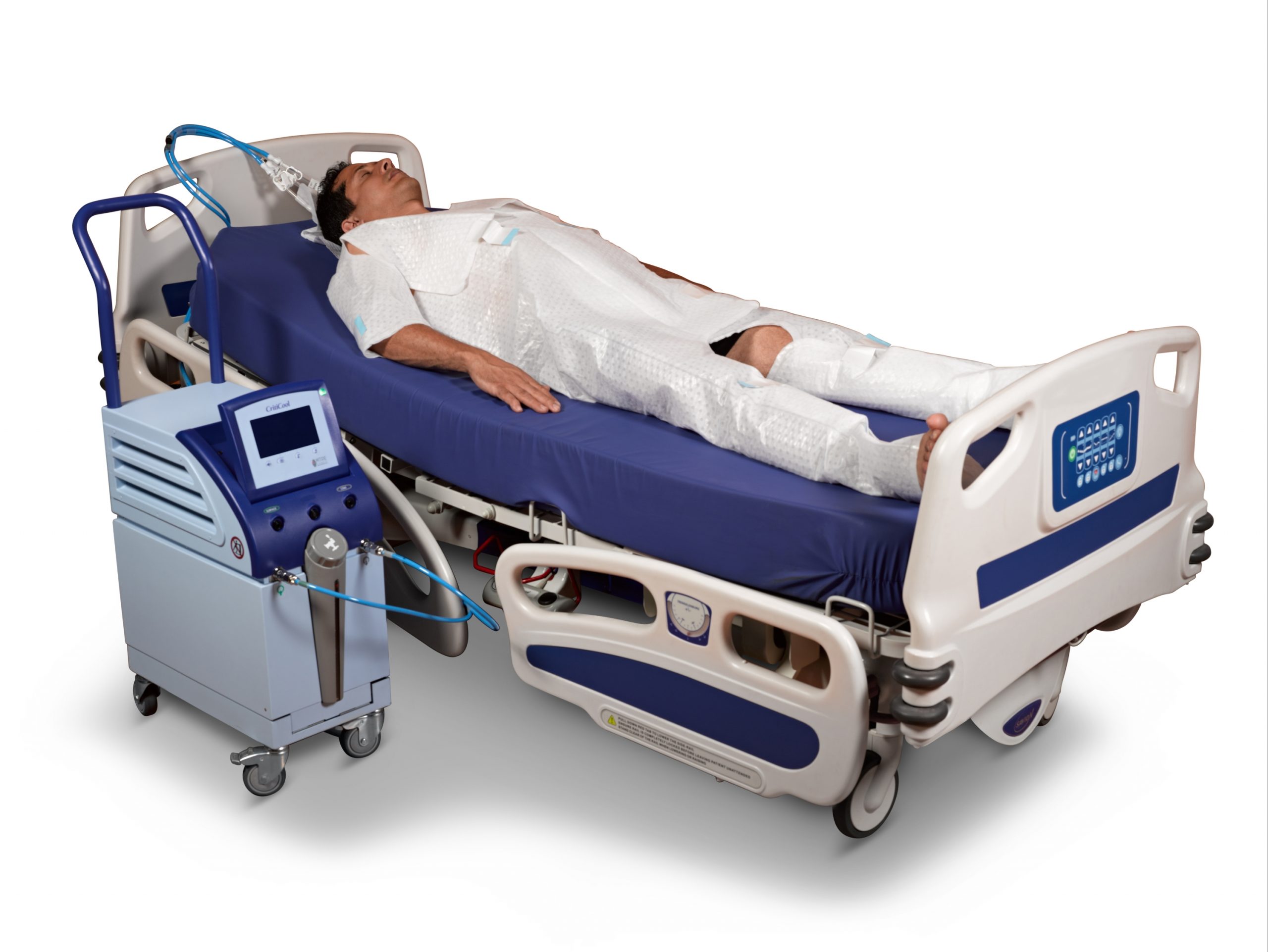
MTRE offers the non- invasive device for Cooling Therapy.
An innovative treatment for cardiac arrest, acute stroke, traumatic brain injury, acute myocardial infraction and sepsis, Cooling Therapy addresses the need for Neuroprotection by cooling the brain.
The concept of neuro-protection by hypothermia has taken a giant step into the future.
The protective effects of hypothermia are due to:
♦Reduction of cerebral metabolism, oxygen consumption, and glucose demand
♦Slowing of the destructive neuroexitatory process
♦Decrease of free radical production
♦Stabilization of the blood-brain-barrier
♦Reductiond of the inflammatory process
Cooling Improves Neurological Outcome and Reduces Mortality
Cardiac arrest – Hypothermia after cardiac arrest has been proven to:
Improve neurological outcome by 16%
Reduce mortality by 14%
Based on this data, ILCOR and AHA have recommended the use of therapeutic hypothermia for patients after cardiac arrest. This treatment has become part of routine practice in medical centers worldwide.
Stroke – Therapeutic hypothermia shows promising results as a neuro-protectant in improving outcome of patients suffering from ischemic stroke. A decrease in brain temperature has been shown to reduce ischemic brain injury and to decrease brain edema and intracranial pressure.
Traumatic Brain Injury (TBI) – Several studies have shown that hypothermia results in better patient outcome by significantly reducing ICP and limiting secondary brain injury after severe head trauma.
Uncontrolled Hyperthermia – Fever is very common in patients with neuronal injury and is associated with poor outcome. Even minimal increases in temperature have harmful effects on injured brain tissue. Therefore measures should be taken to control temperature.
Asphyxia and Hypoxic-Ischemic Encephalopathy – Asphyxia is when there is less than normal oxygen delivered to the body or an organ and there is build up of carbon dioxide in the body or tissue. Not enough blood flow to an organ can cause asphyxia.